 Create account
 Race results
 Substackis where we regularly publish news, articles and announcements of new features around RaceClocker. You can sign up to receive news in email.Create account
  Log in
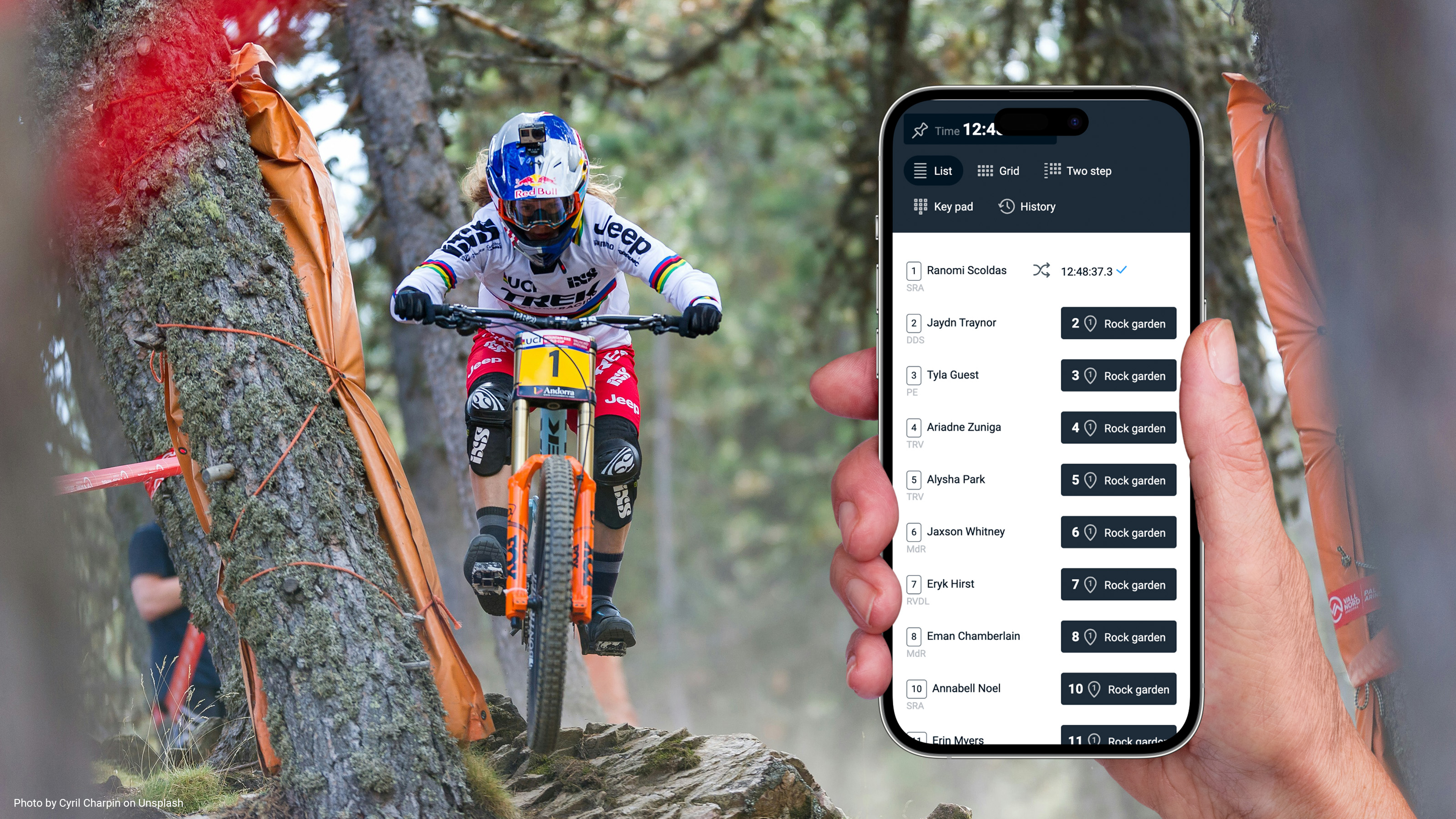
RaceClocker is free up to 10 participants per race. If you want to use it with more features you can upgrade at any time to RaceClocker Essentials or Premium. Have alook at our pricing.
The name "Barfi" is derived from the Persian and Urdu word , which translates to "snow" . This name is a nod to its traditional white appearance and its unique, melt-in-your-mouth texture. Historically, it is believed to have originated in Northern India, particularly in regions like Rajasthan, where milk-based sweets have flourished for centuries. The Mughals are often credited with bringing Persian culinary influences that eventually merged with local techniques to create the modern barfi we enjoy today. Essential Ingredients and Preparation
Because of this simple foundation, barfi acts as a canvas for an incredible range of flavors, colors, and textures. The name "Barfi" is derived from the Persian
It is also a common offering ( prasadam ) in Hindu temples and is distributed during religious festivals like Raksha Bandhan, Holi, and Ganesh Chaturthi. The Mughals are often credited with bringing Persian
86% score on Rotten Tomatoes and was India's official entry for the 85th Academy Awards. Wikipedia +3 Key Highlights Performances: Ranbir Kapoor’s portrayal of the deaf-mute Barfi is often cited as a career-best, drawing comparisons to Charlie Chaplin and Raj Kapoor for his physical comedy and expressive silence. Priyanka Chopra’s role as the autistic Jhilmil is praised for its vulnerability and lack of caricature. Cinematography: Cinematographer Ravi Varman captured the "fairytale-like charm" of 1970s Darjeeling and Kolkata, with many frames described as being "like a painting". Music: Pritam’s soundtrack is considered a "whiff of fresh air," using accordion and string arrangements to create a whimsical, silent-era atmosphere that perfectly supports the lack of dialogue. The Times of India +7 Common Criticisms 13 sites Barfi! 2012, directed by Anurag Basu | Film review - Time Out Sep 17, 2012 — 86% score on Rotten Tomatoes and was India's
Furthermore, barfi possesses a distinct "taste of place." A barfi from a street-side shop in Old Delhi will taste vastly different from one in a high-end Mumbai boutique, and neither will taste quite like the Mawa Barfi of Calcutta. The fat content of the buffalo milk, the source of the ghee, and the hand of the halwai (sweet-maker) create terroir in a piece of fudge.
Traditional barfi is made by simmering until it reaches a solid, dough-like consistency. To achieve its signature richness and soft texture, several key ingredients are typically used:


 English
 Log in
