CBSE BOARD RESULTS (2025-26)
Management and Staff Congratulate Students for Excellent Results!!
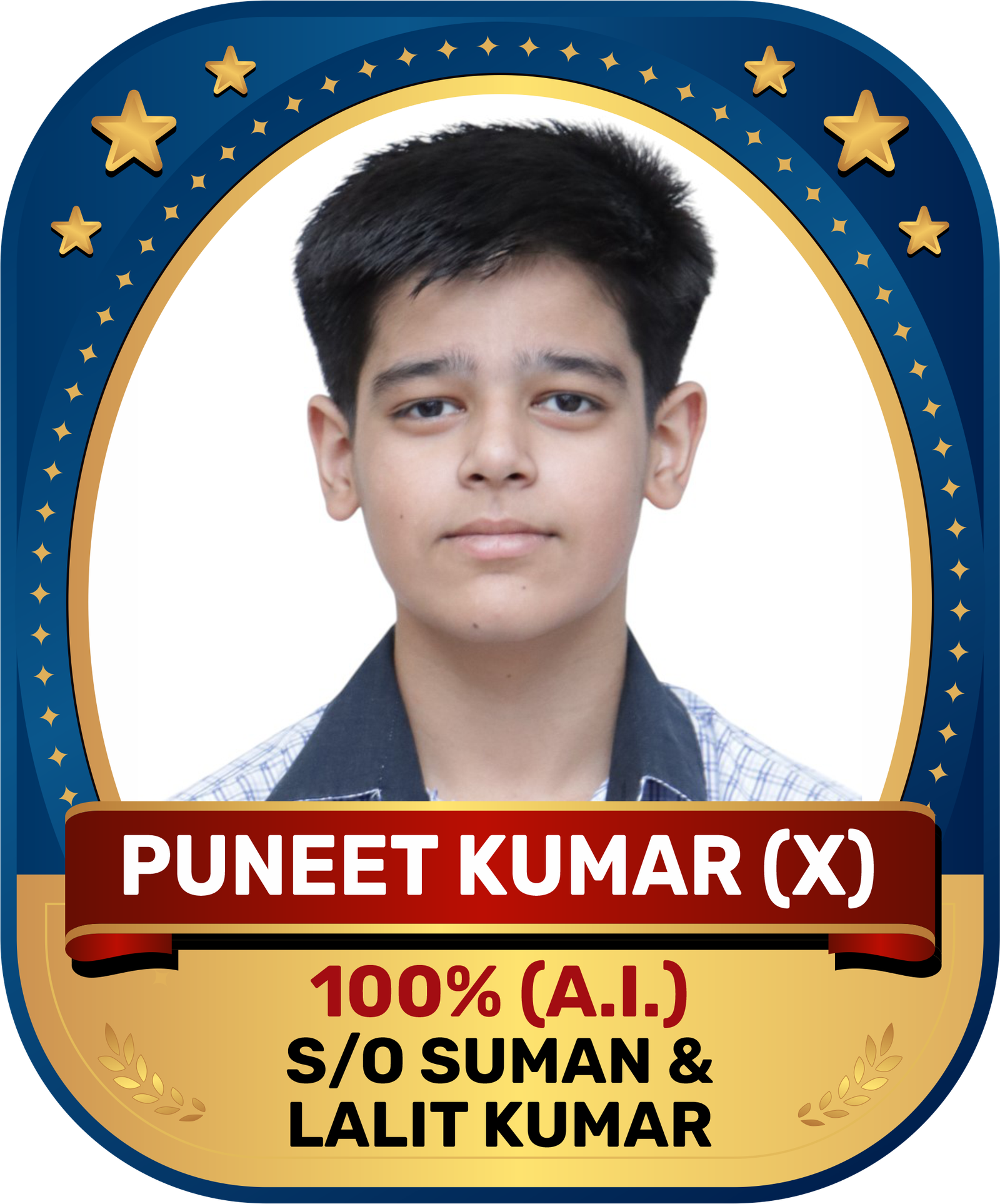
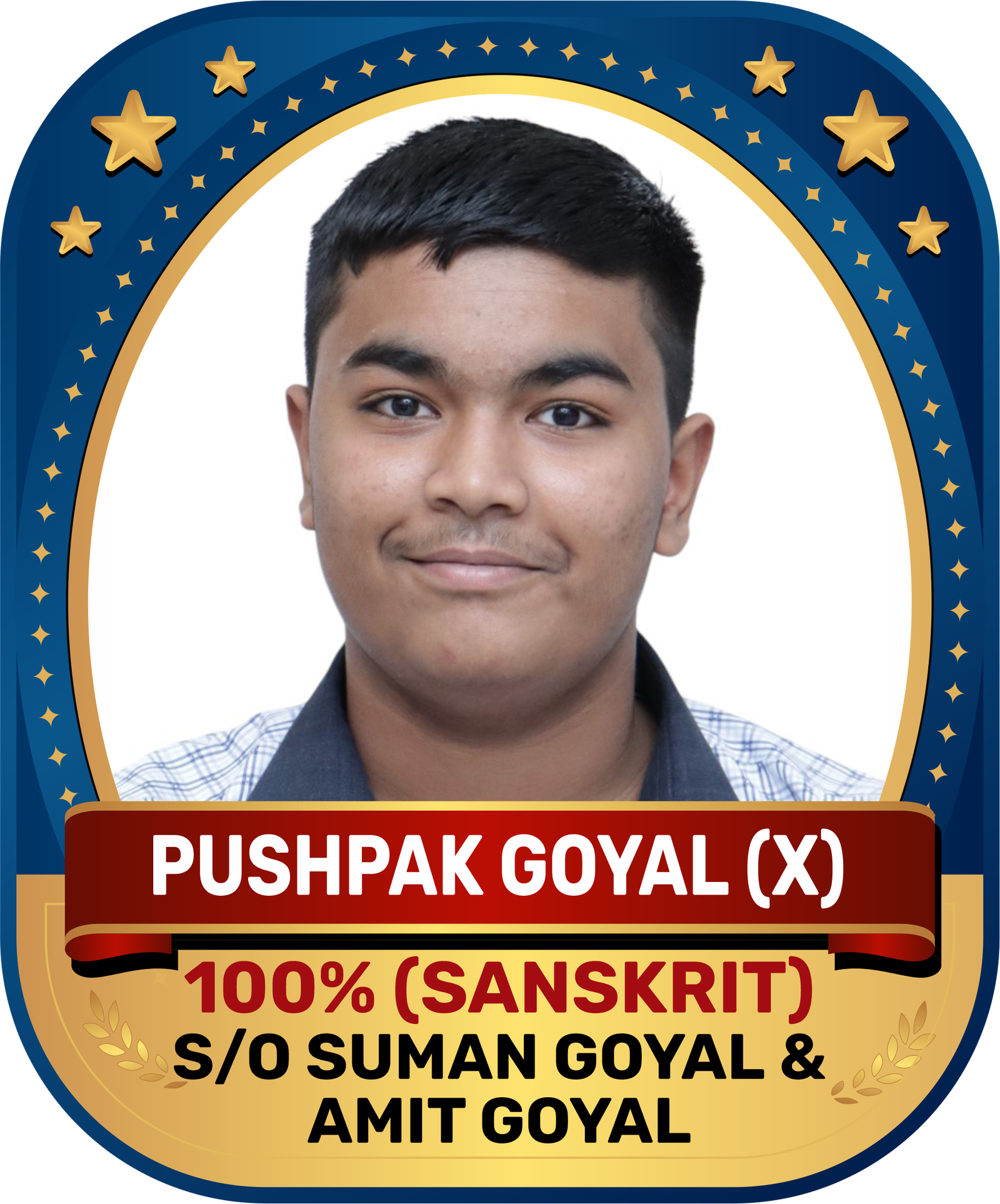
Topper of LFPS (2025-26)
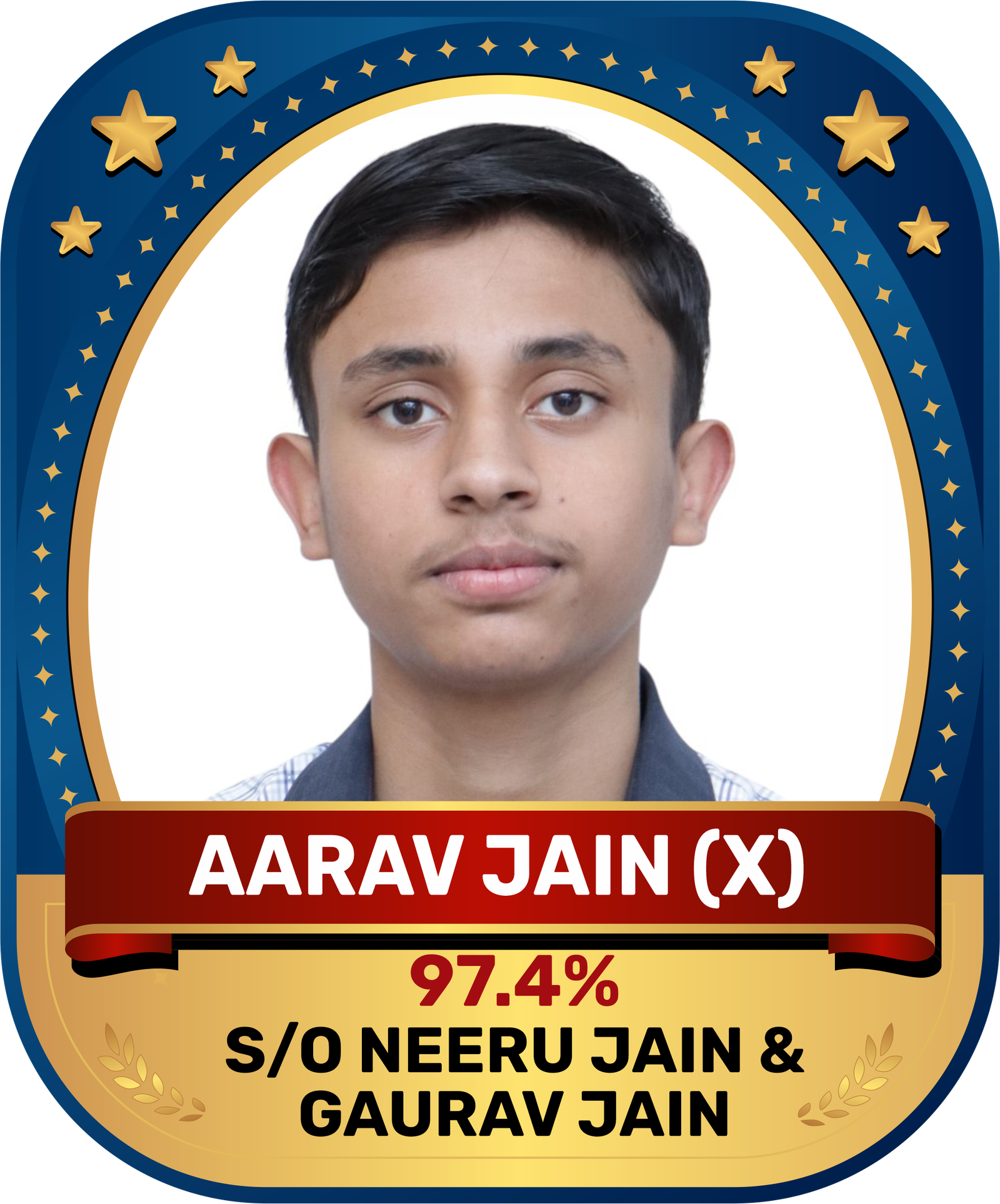
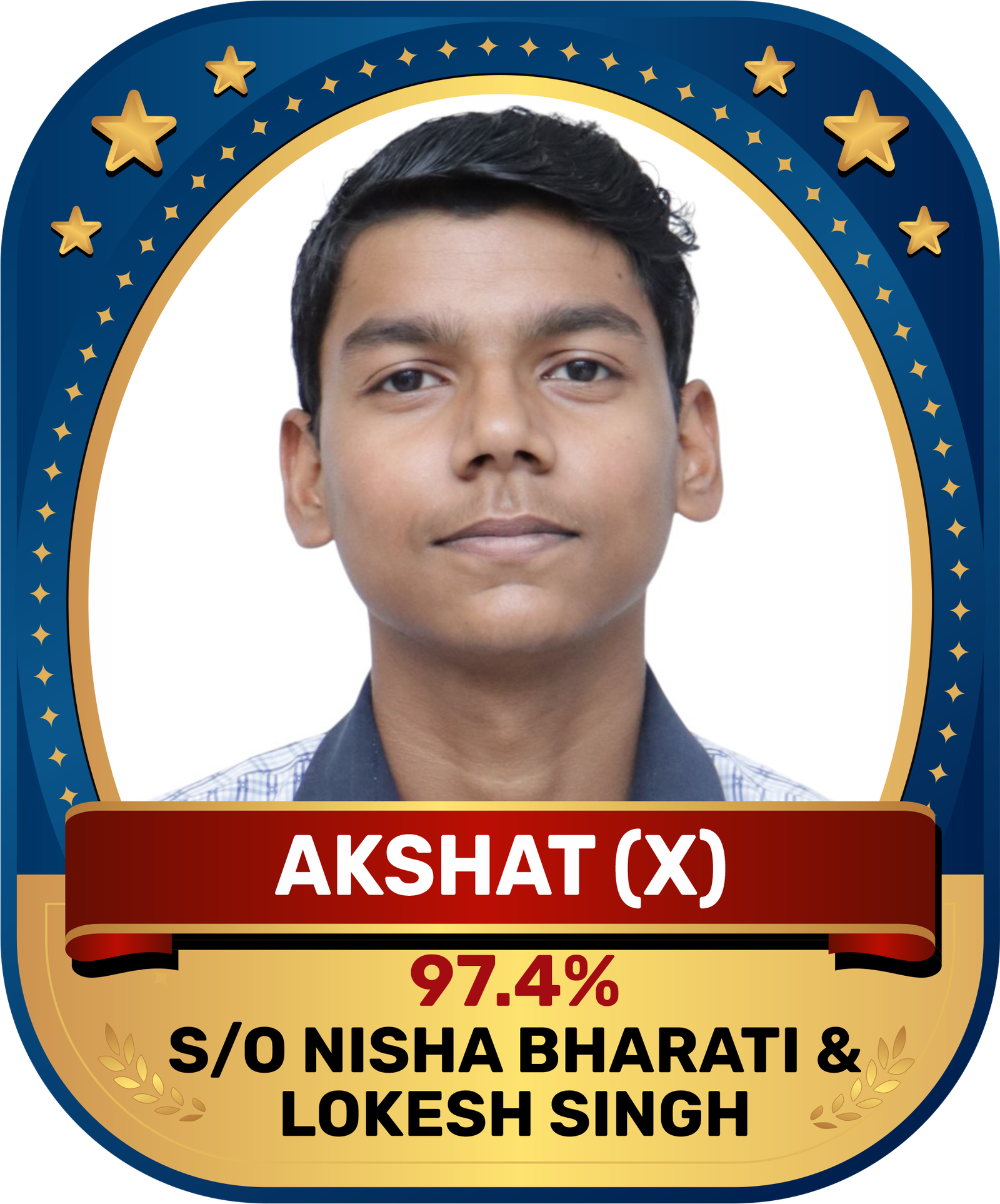
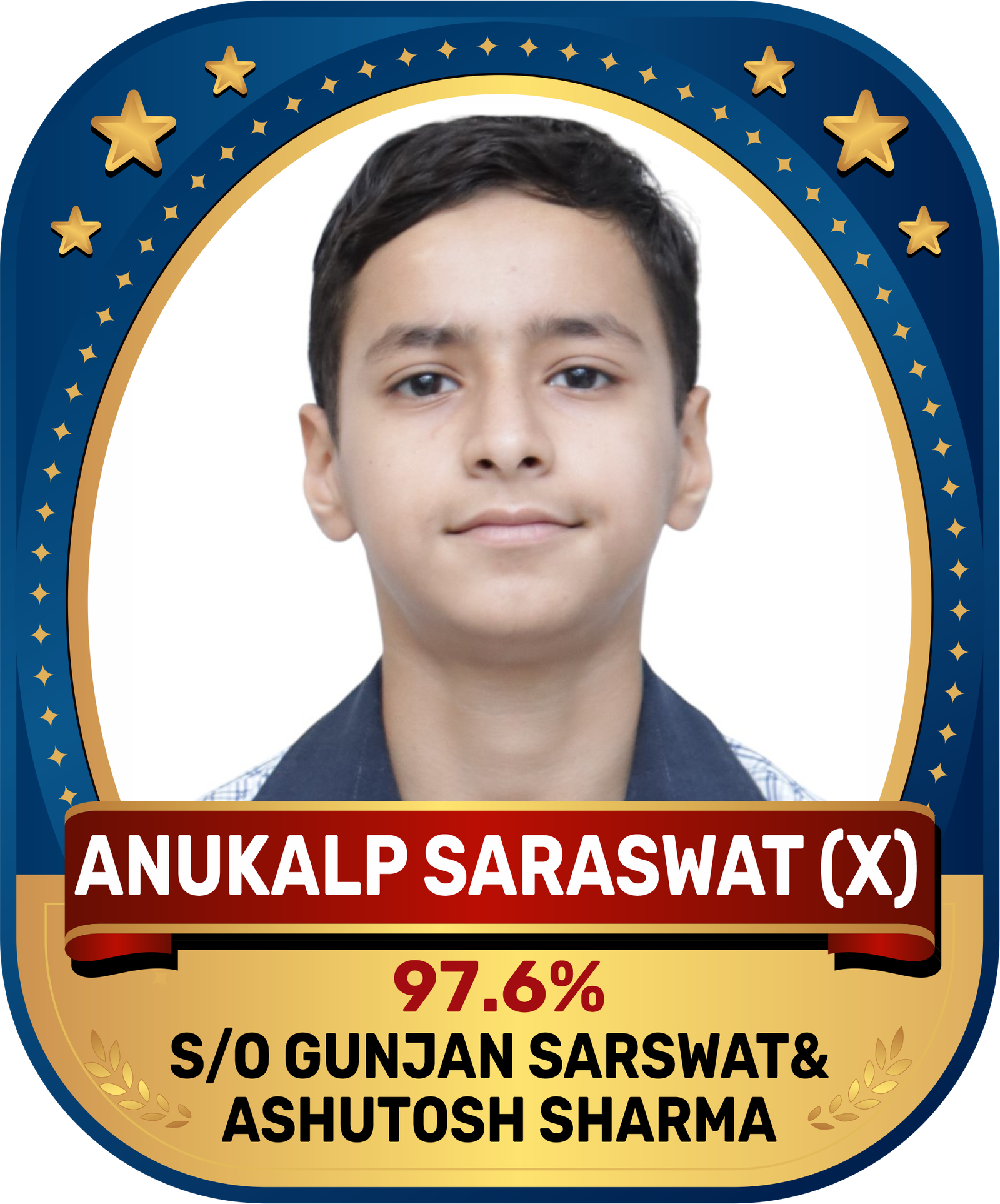
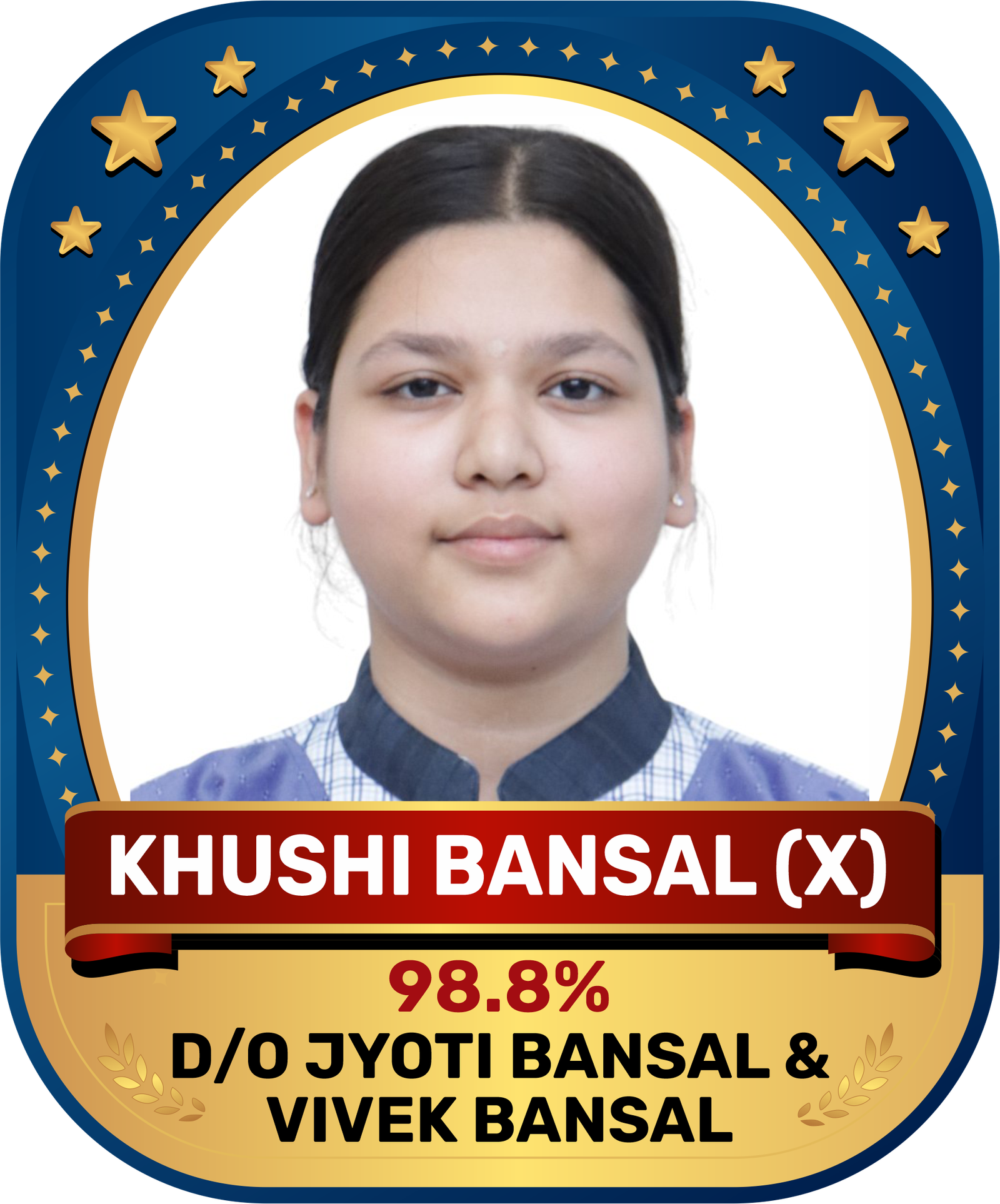
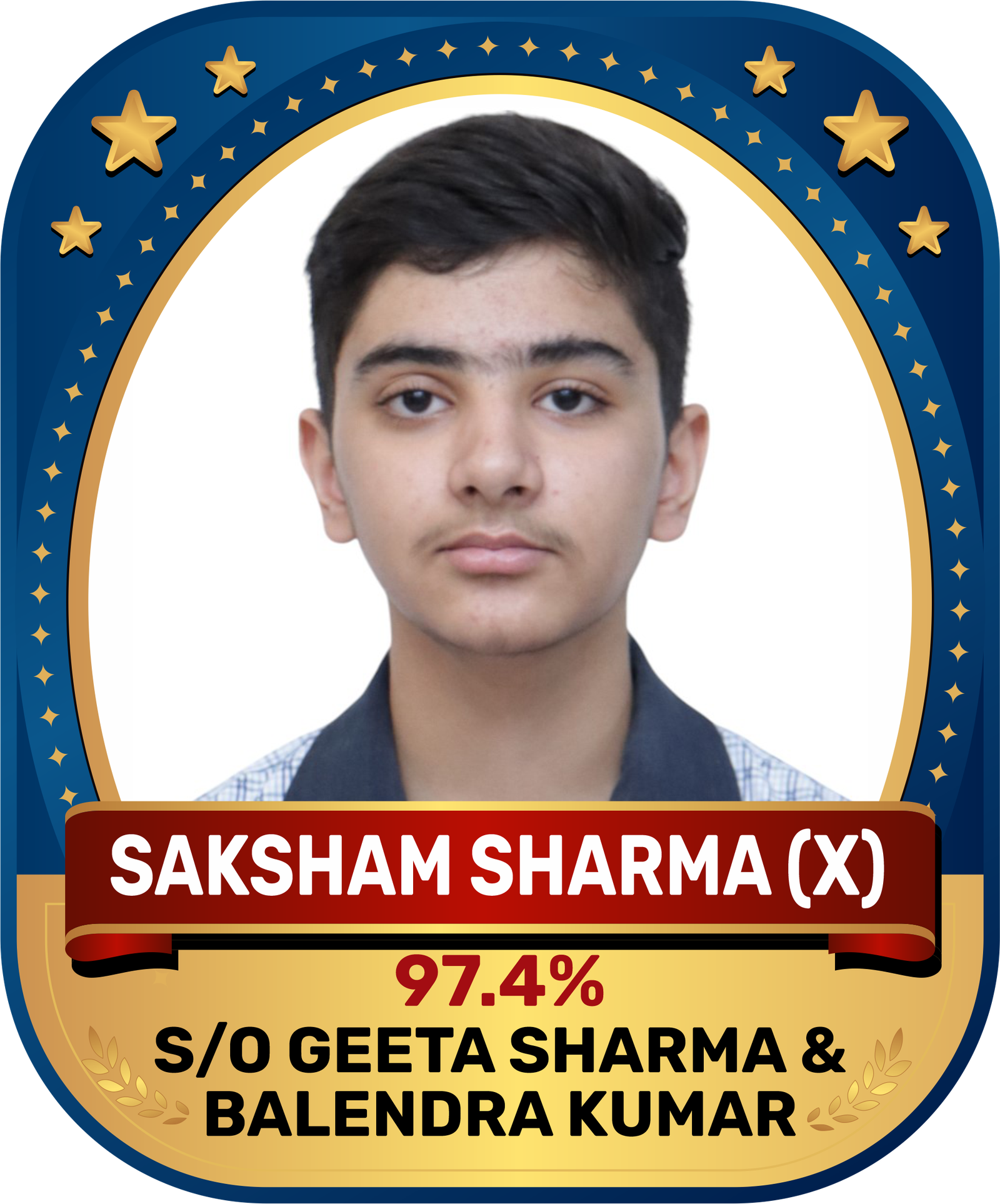

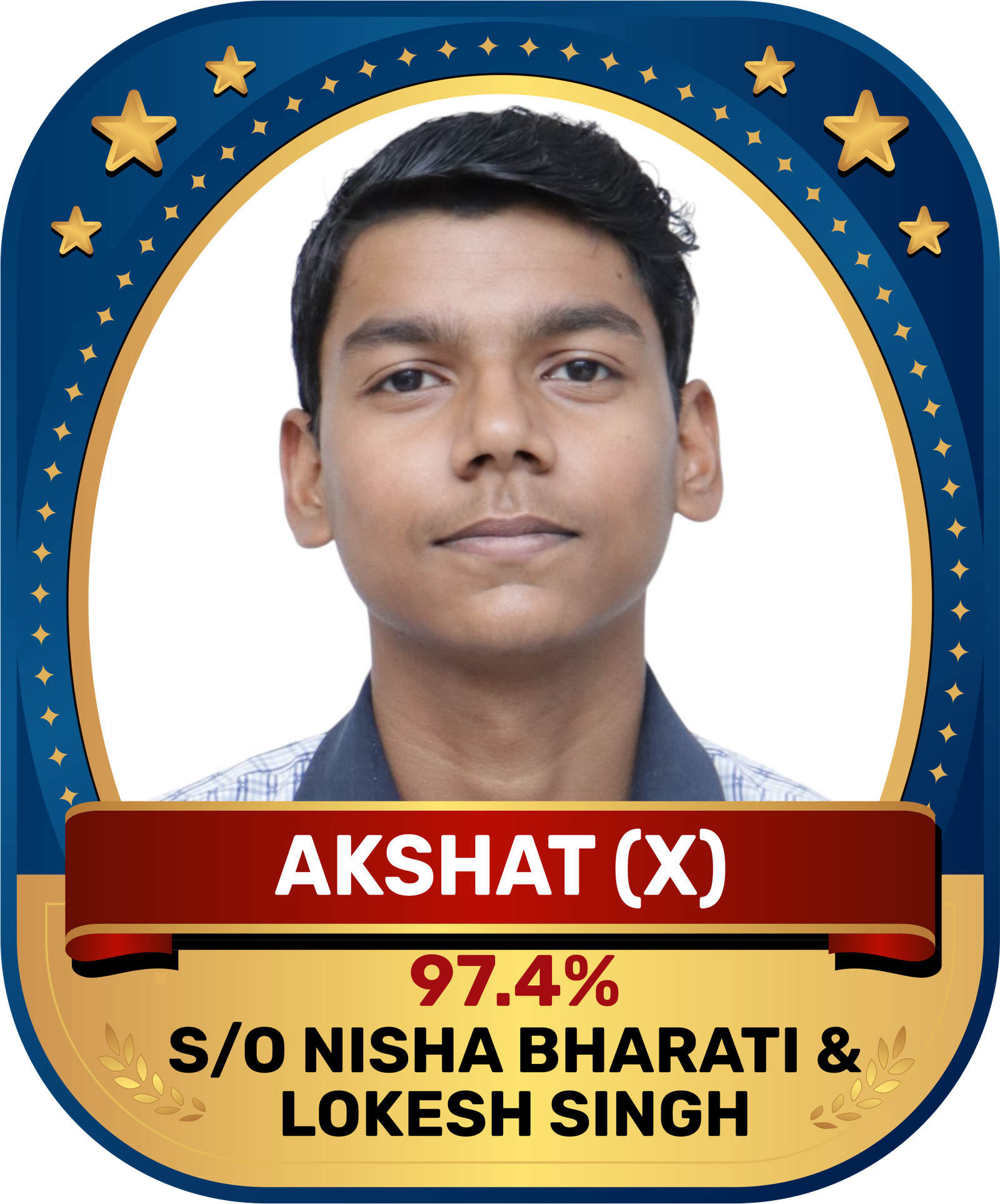
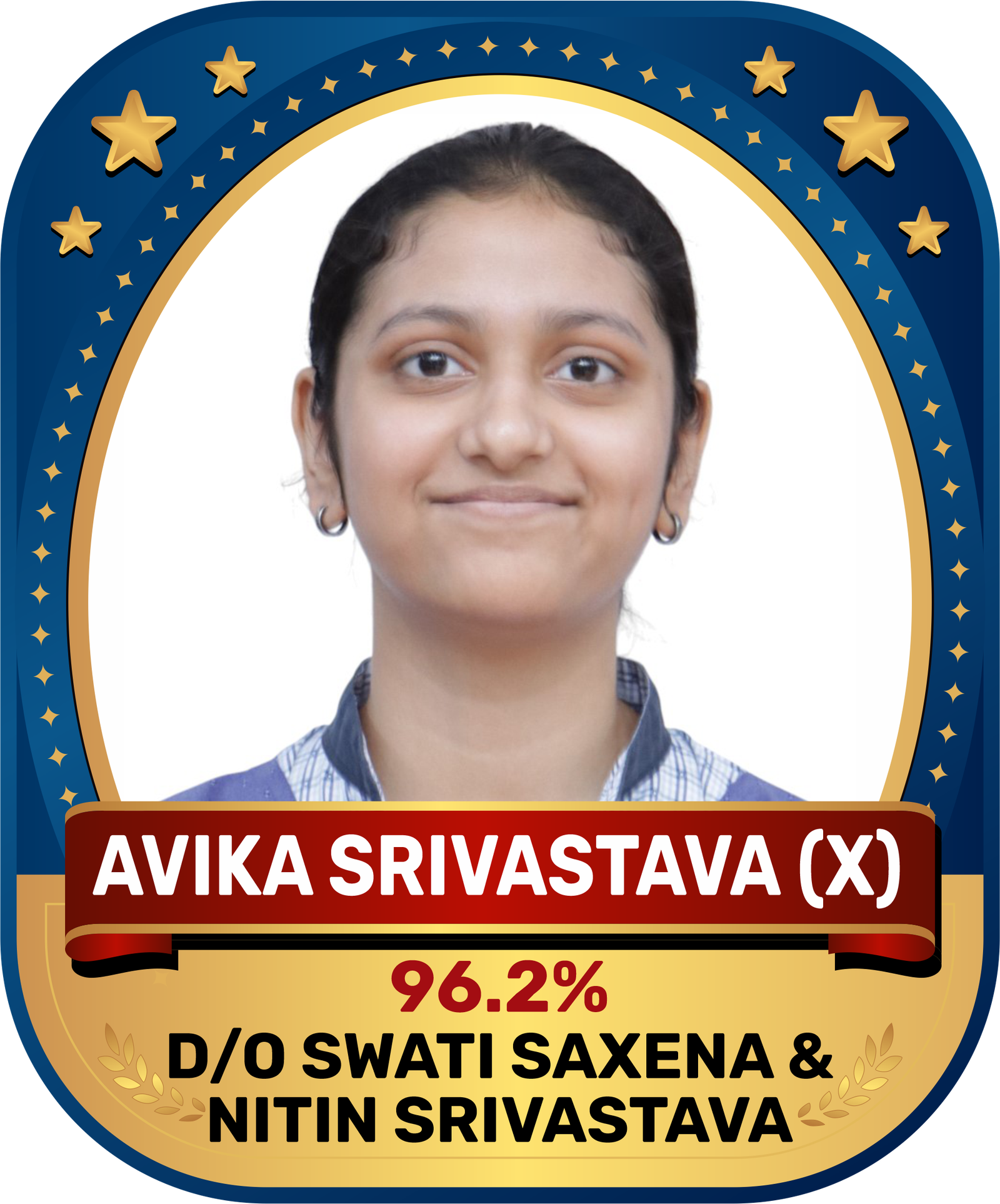


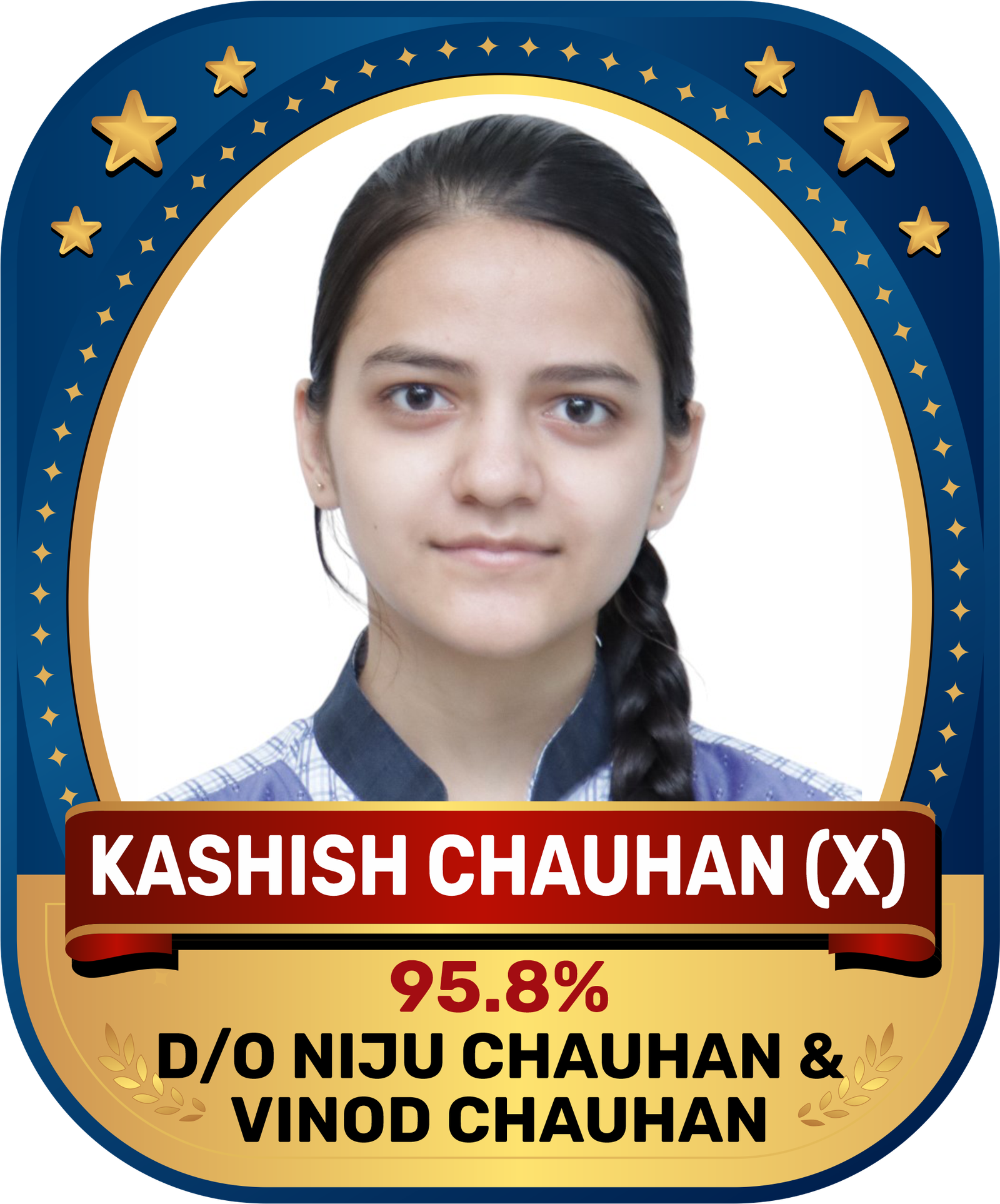
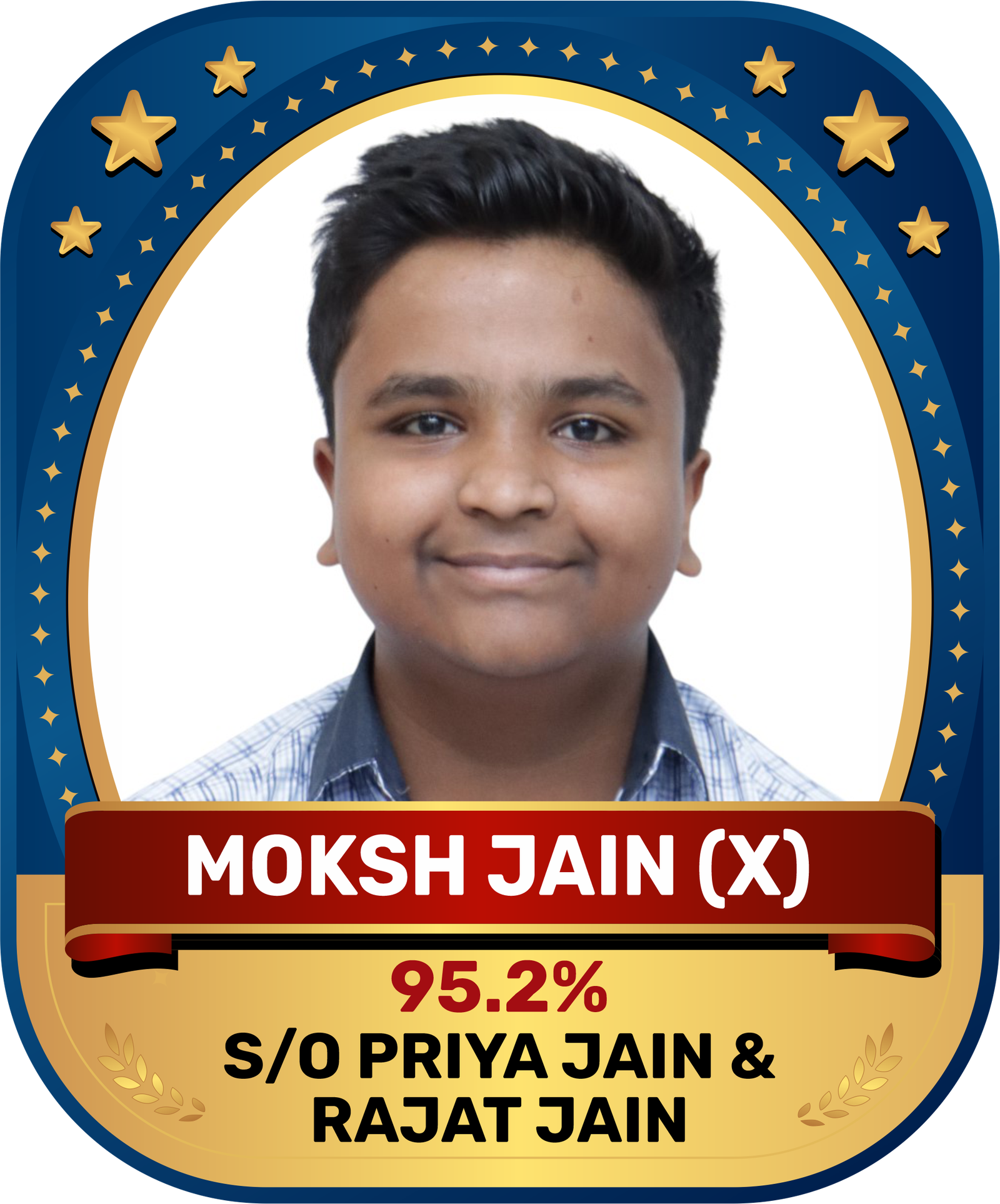
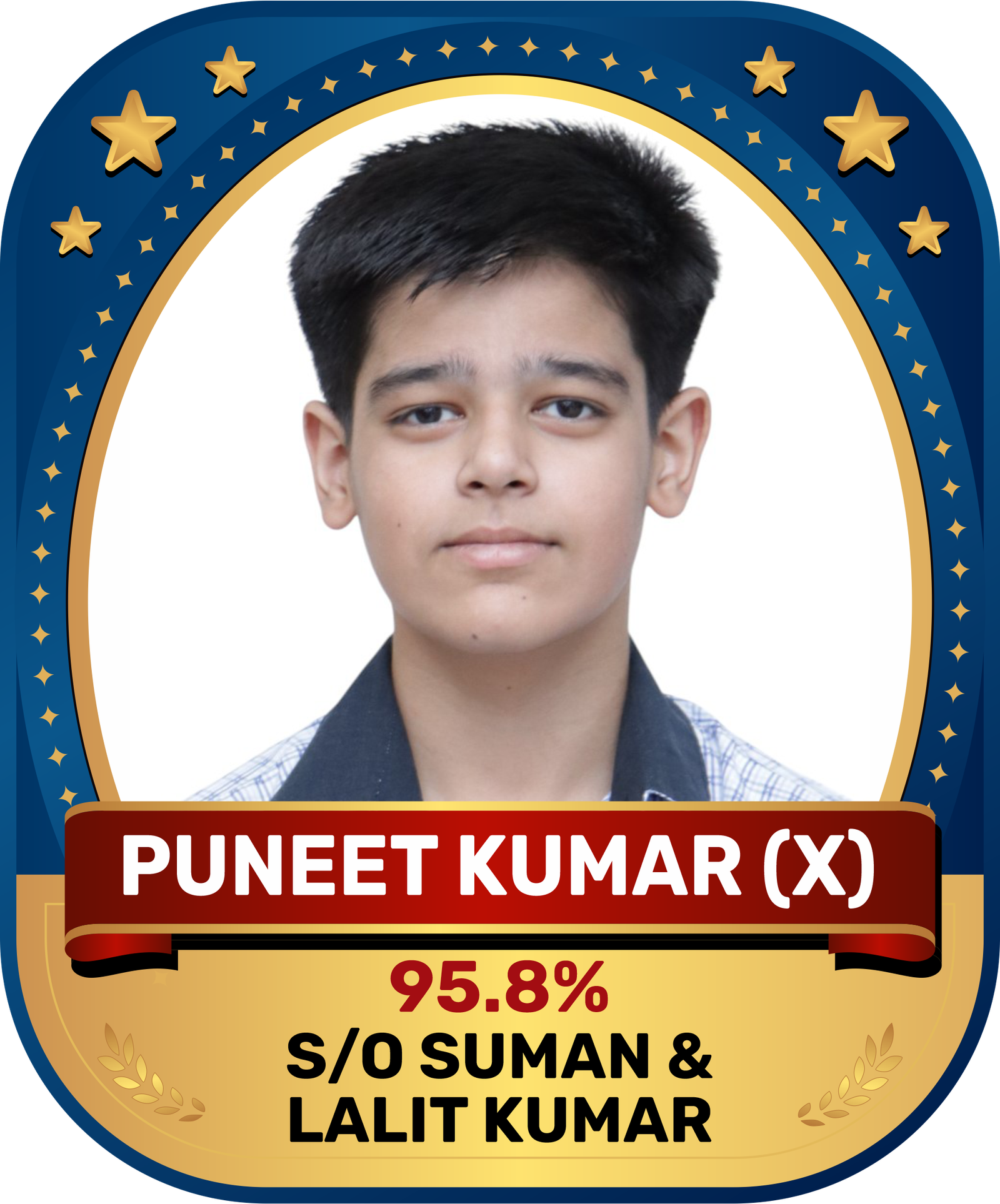
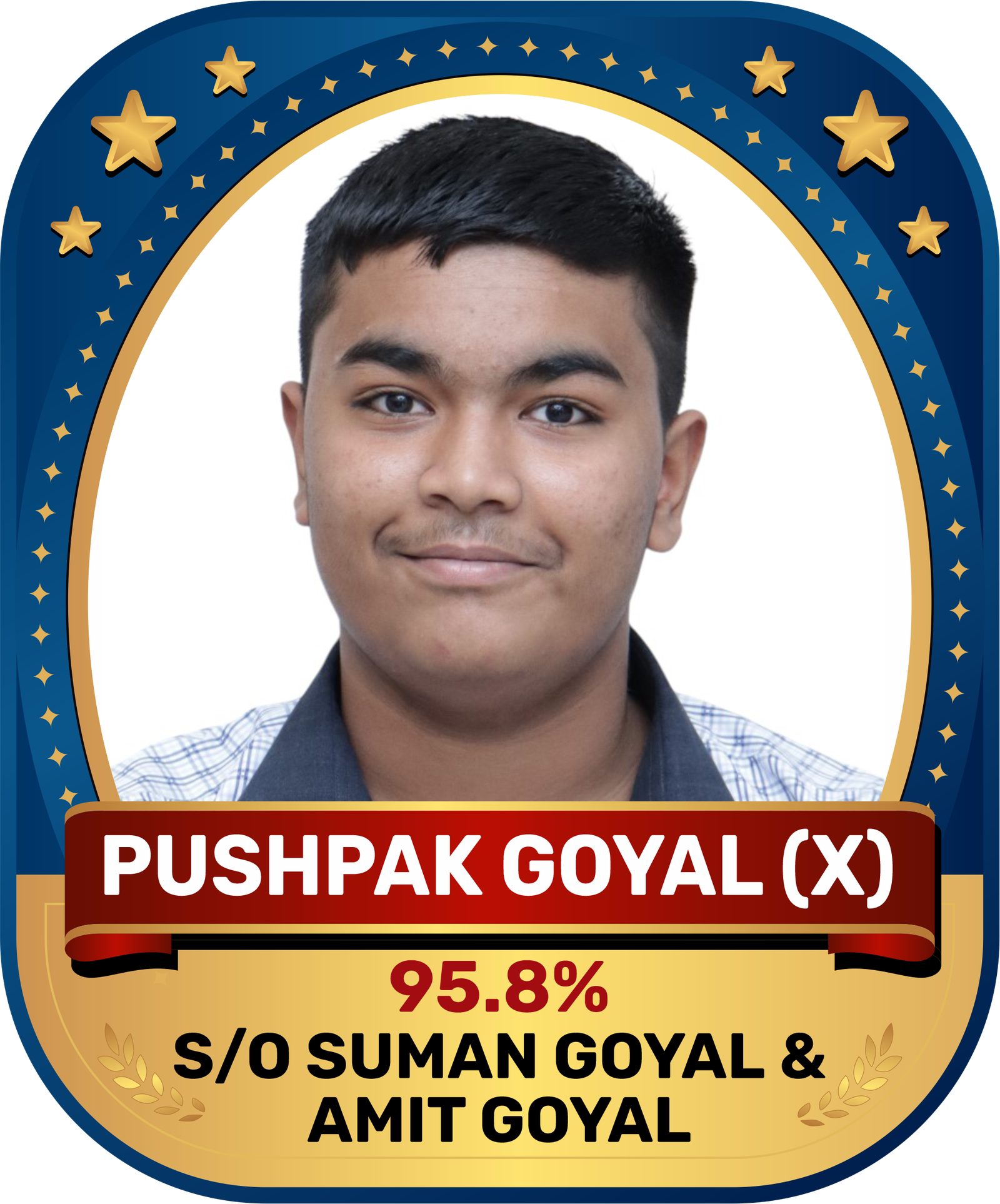
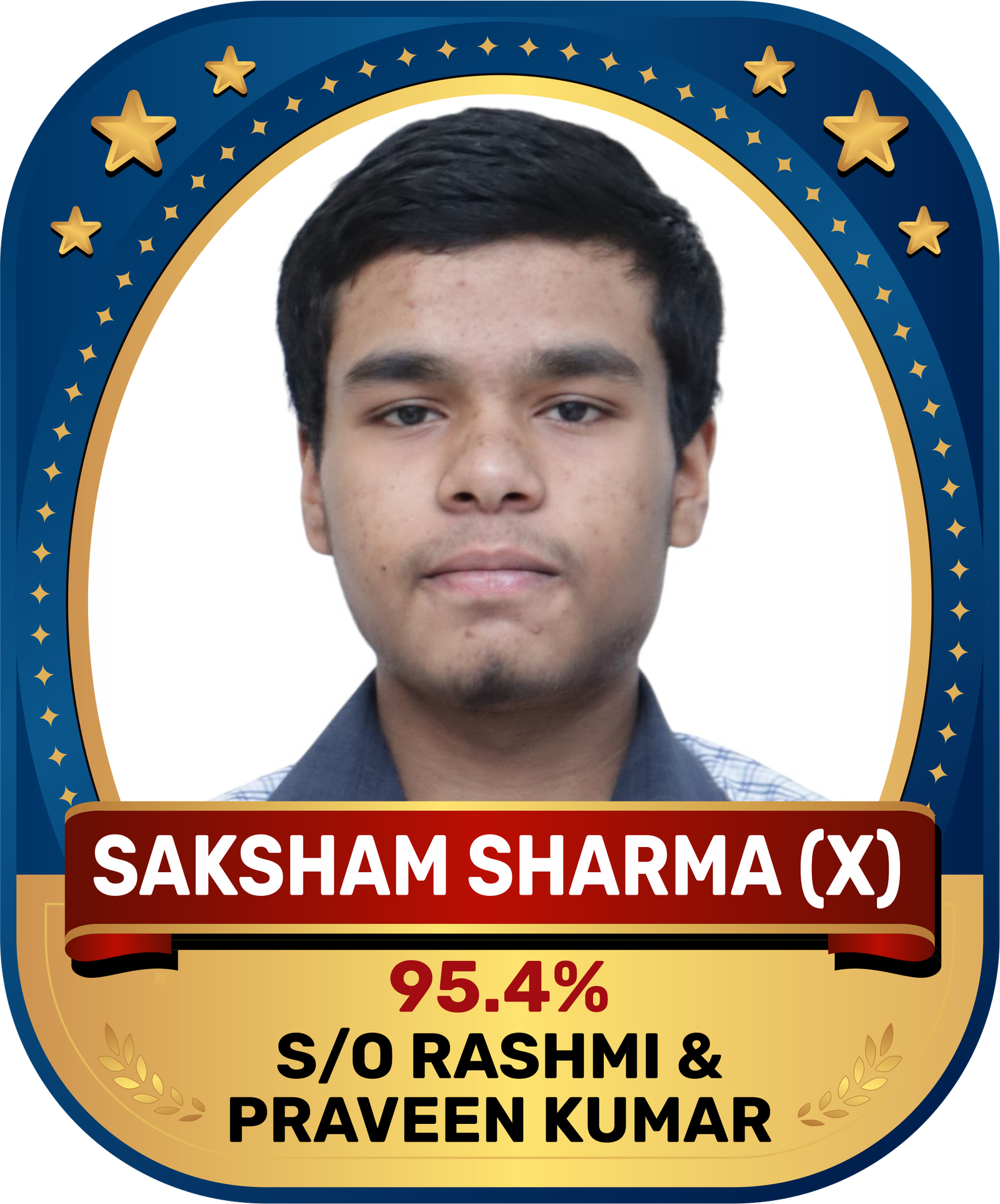

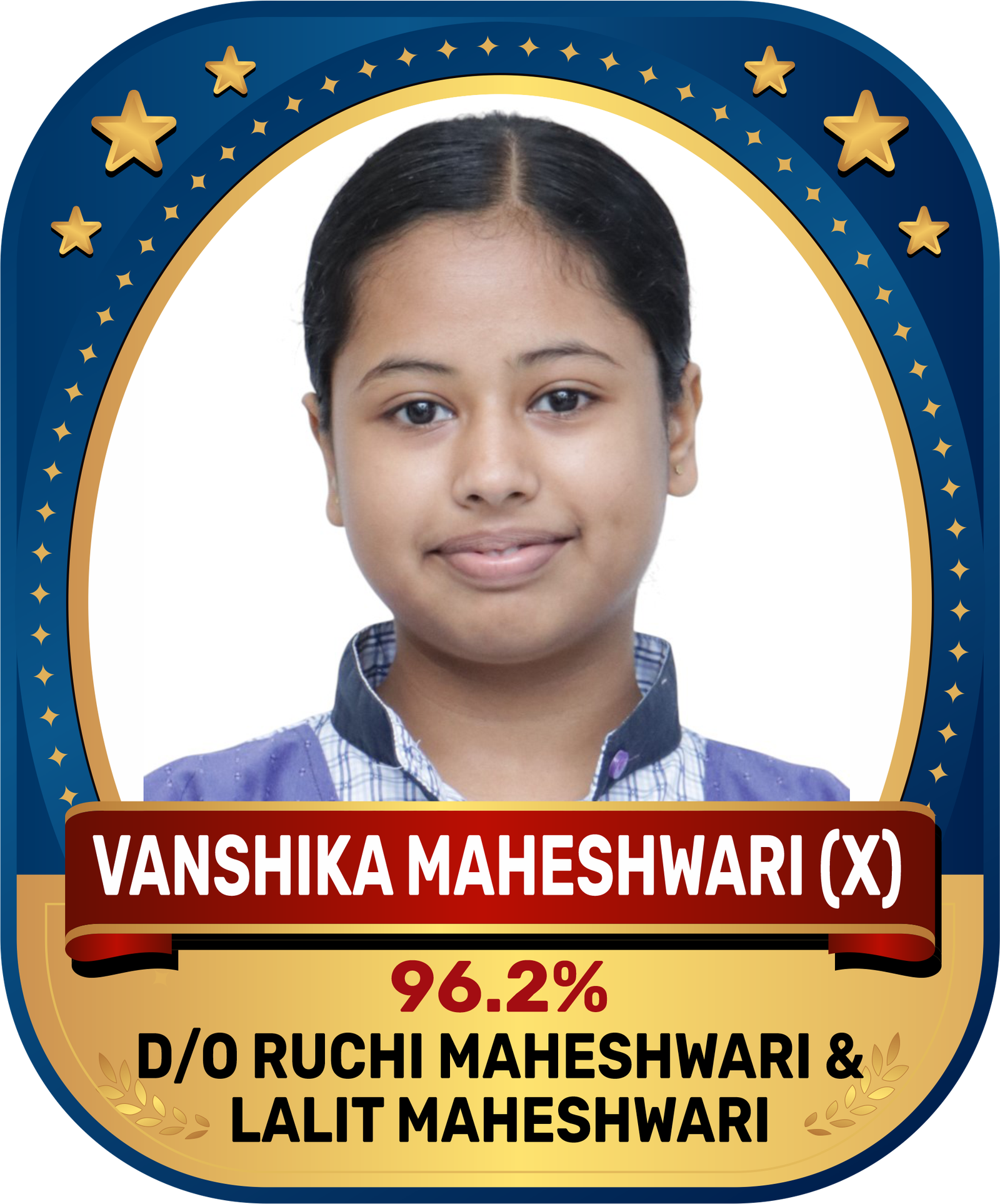


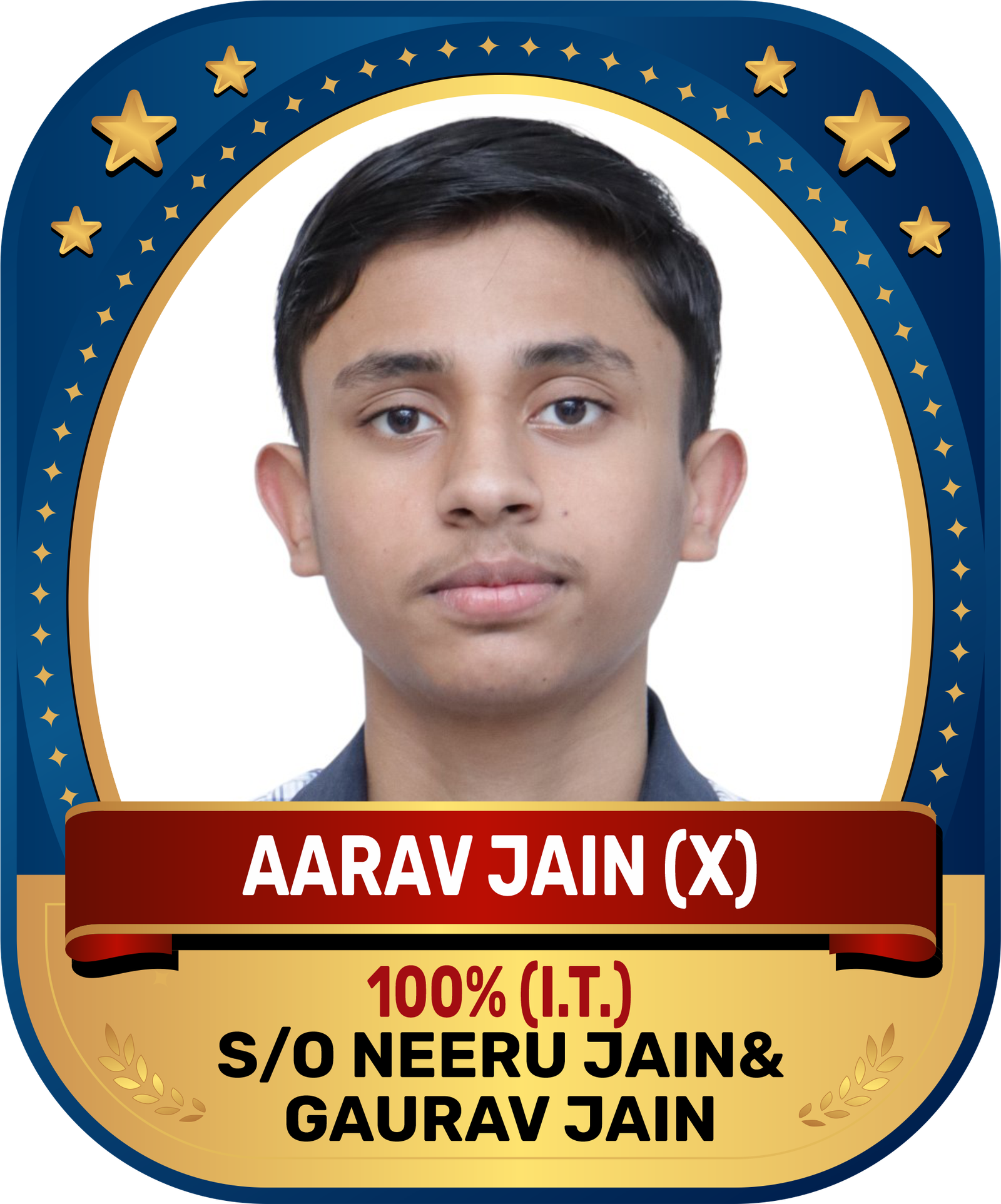
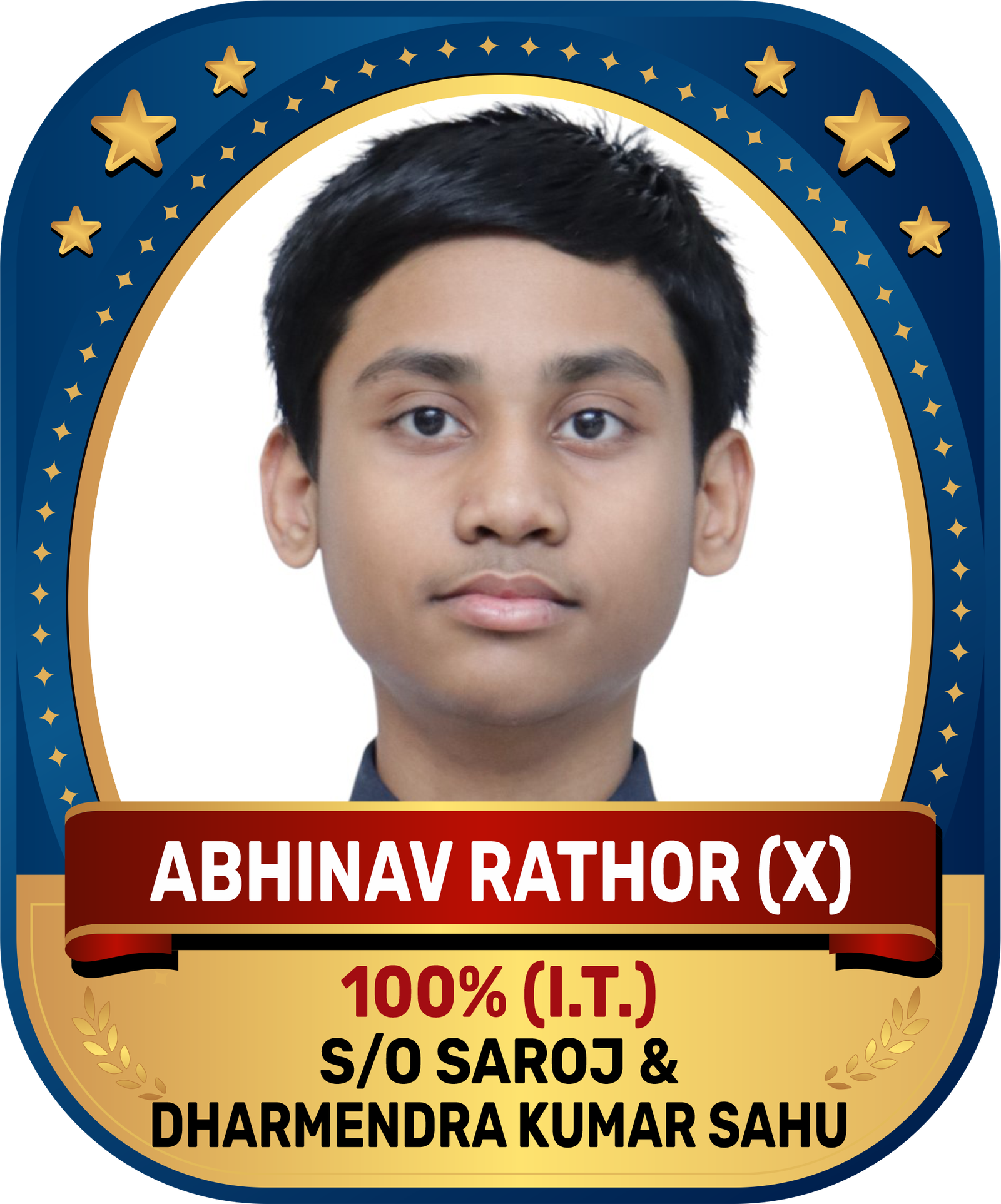
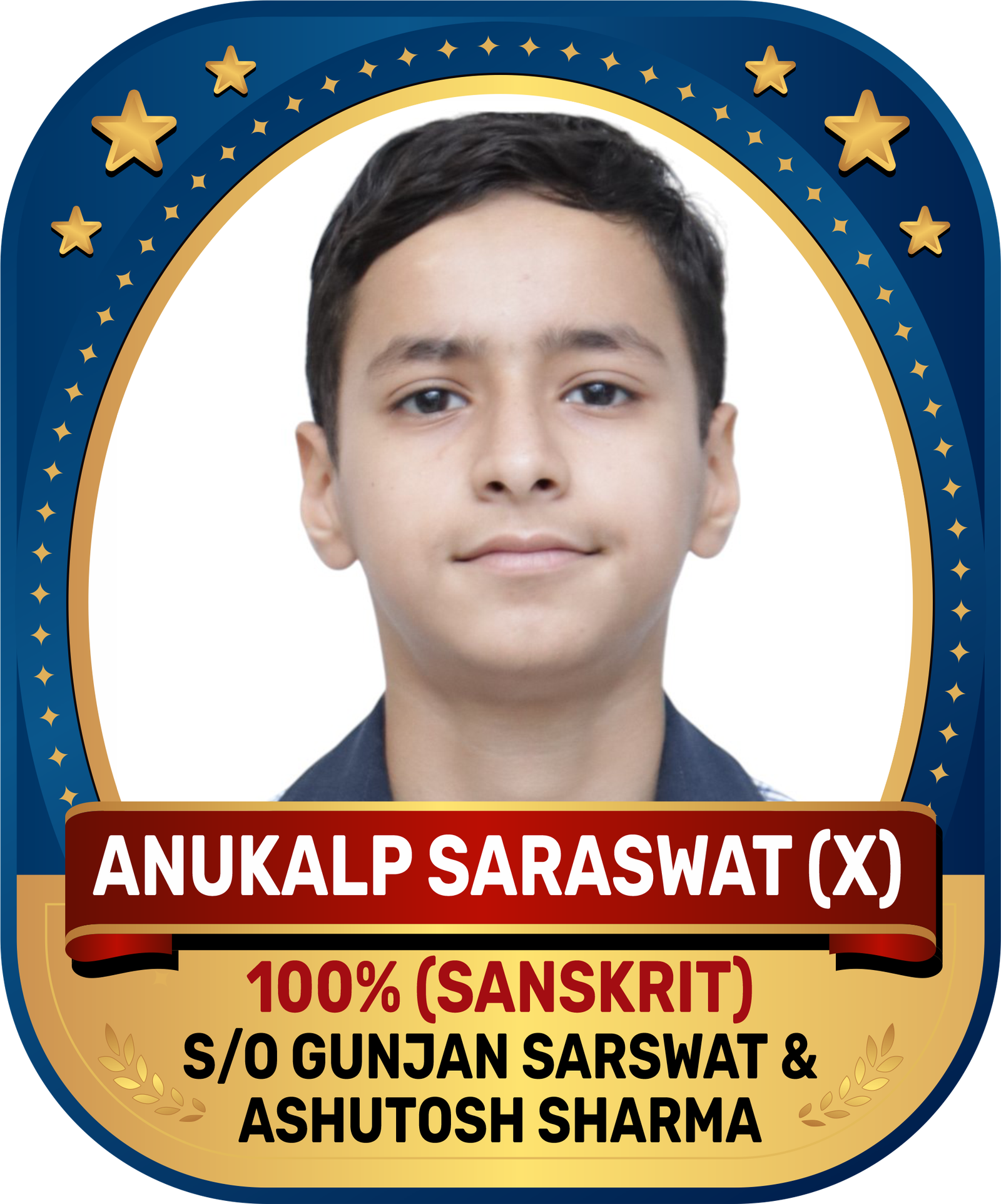
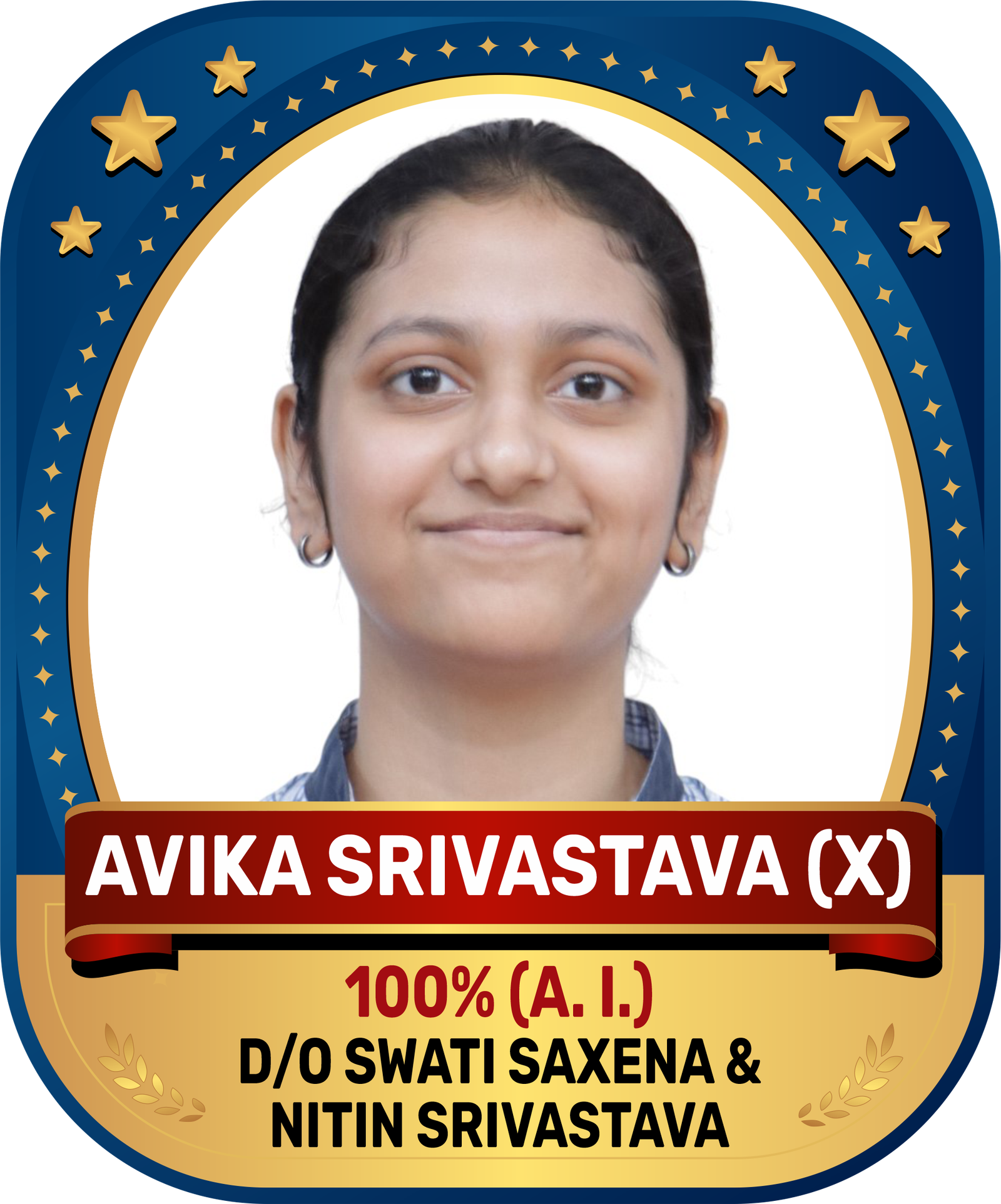
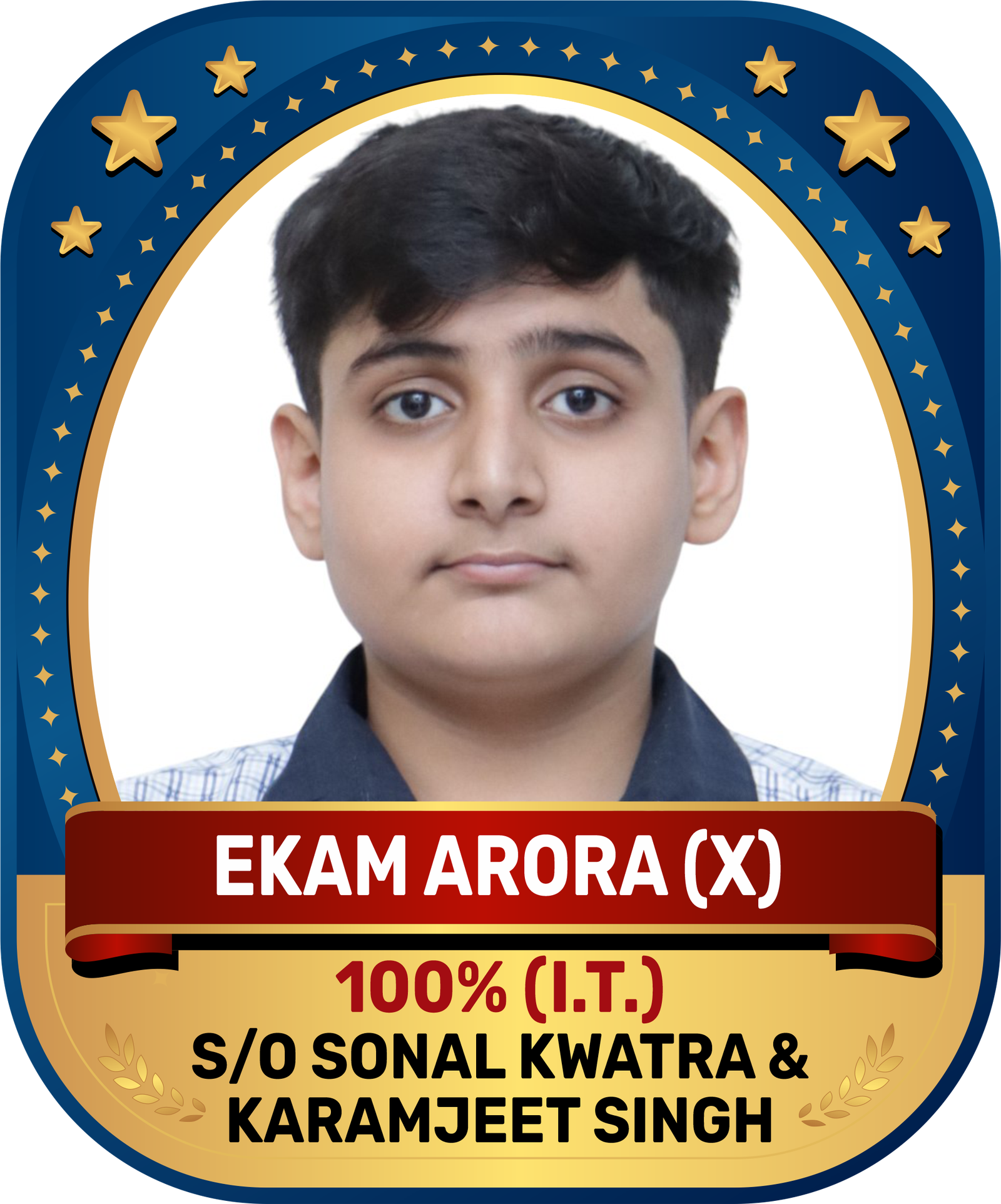
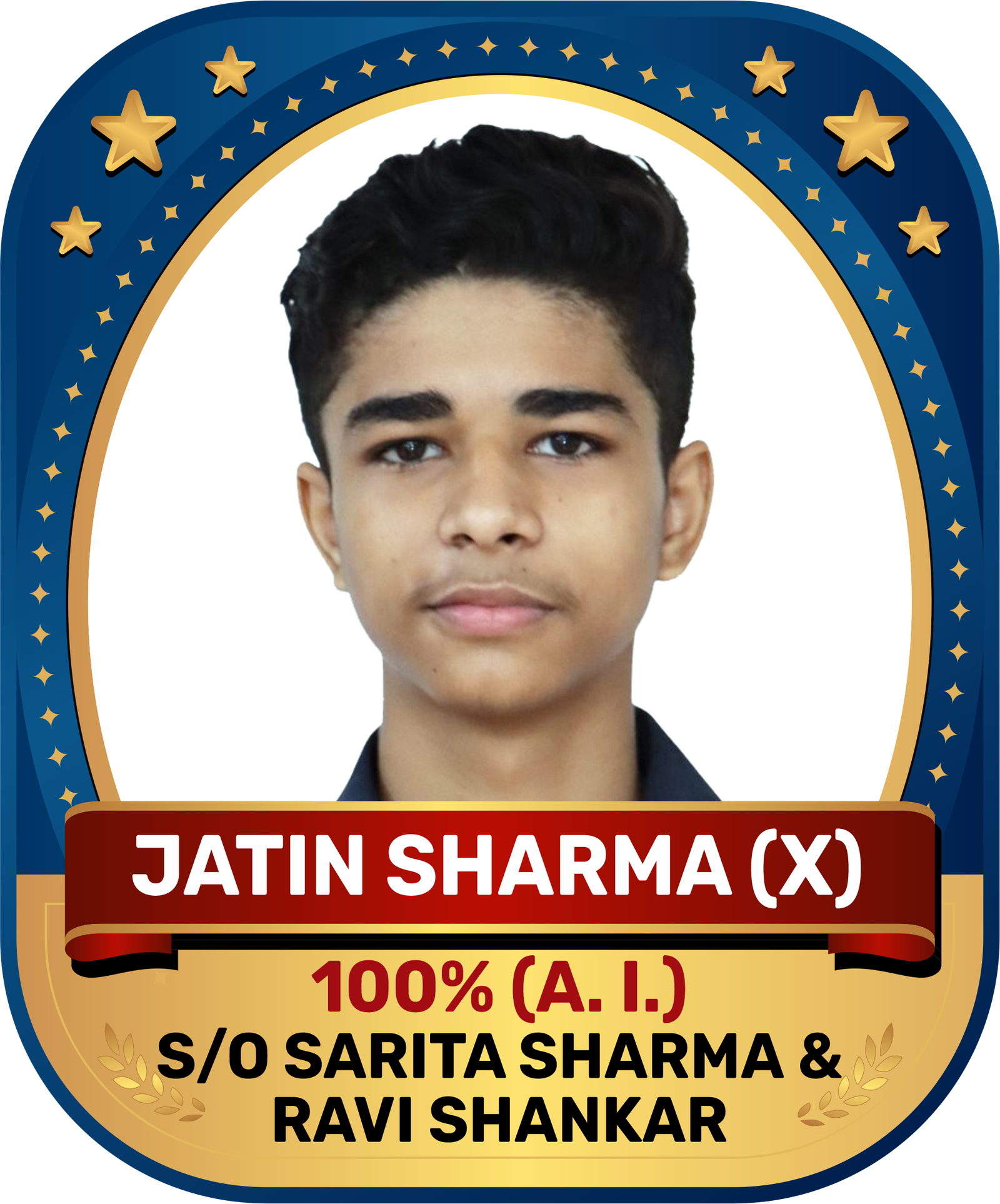
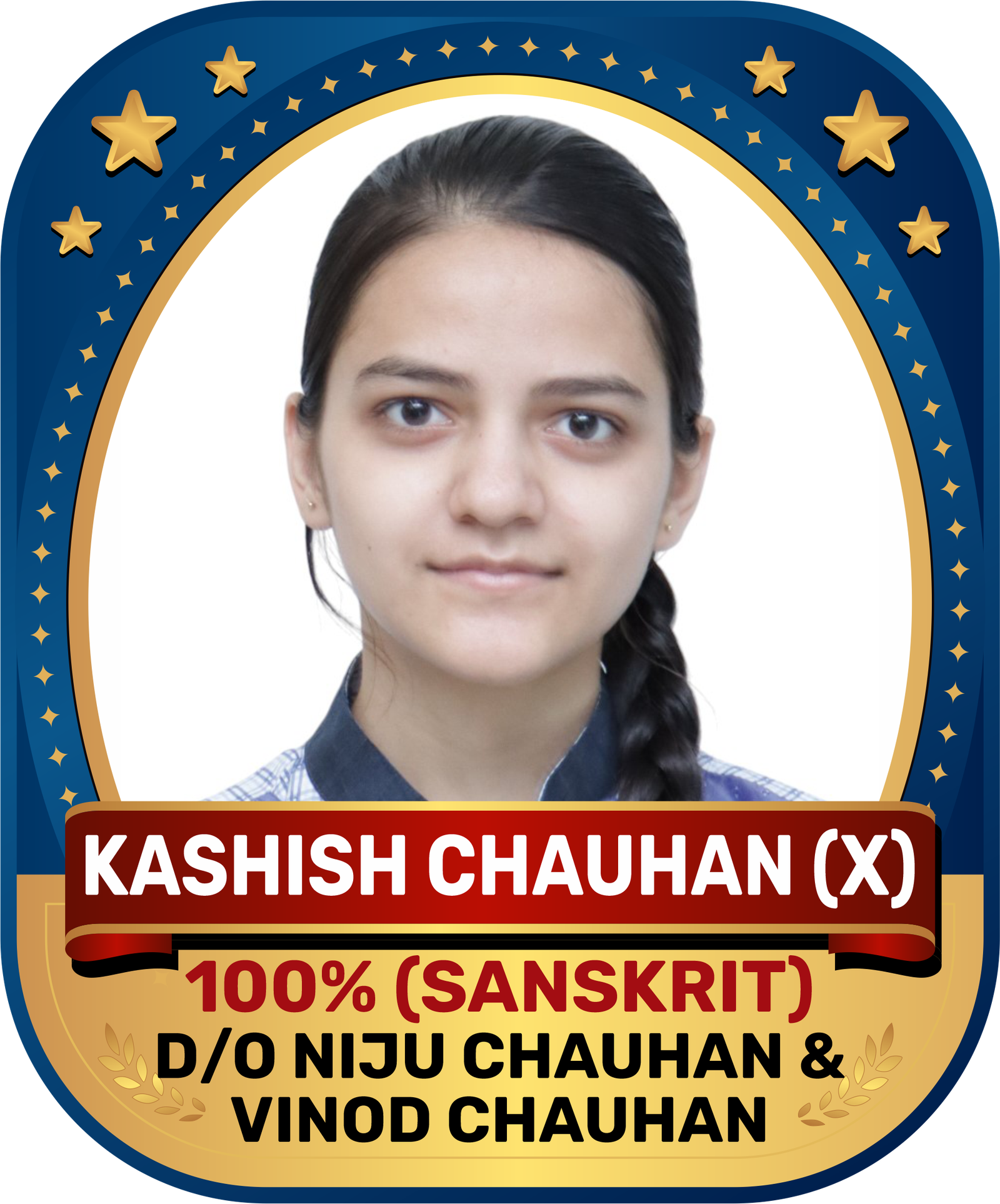
100% Marks in Subjects (2025-26)




Ren'Py’s save system is a powerful, automated feature that ensures players can resume their progress exactly where they left off. It is built on Python's "pickling" mechanism, which serializes game data into files. How Saving Works in Ren'Py
: This allows players to go back in time to previous checkpoints. It uses the same underlying mechanism as saving to restore previous states. File Locations and Management
For players, the most common question is: "Where did my game go?" Ren'Py stores save data in two primary locations depending on the platform and game settings:
If you are developing a Visual Novel in Ren'Py or simply trying to manage your collection of games, one question inevitably arises:
$ renpy.save("auto-1", "Checkpoint reached")
: The engine creates "checkpoints" at every say and menu statement. When a player saves, Ren'Py records the state at the most recent checkpoint, including all variable values before that statement was executed.
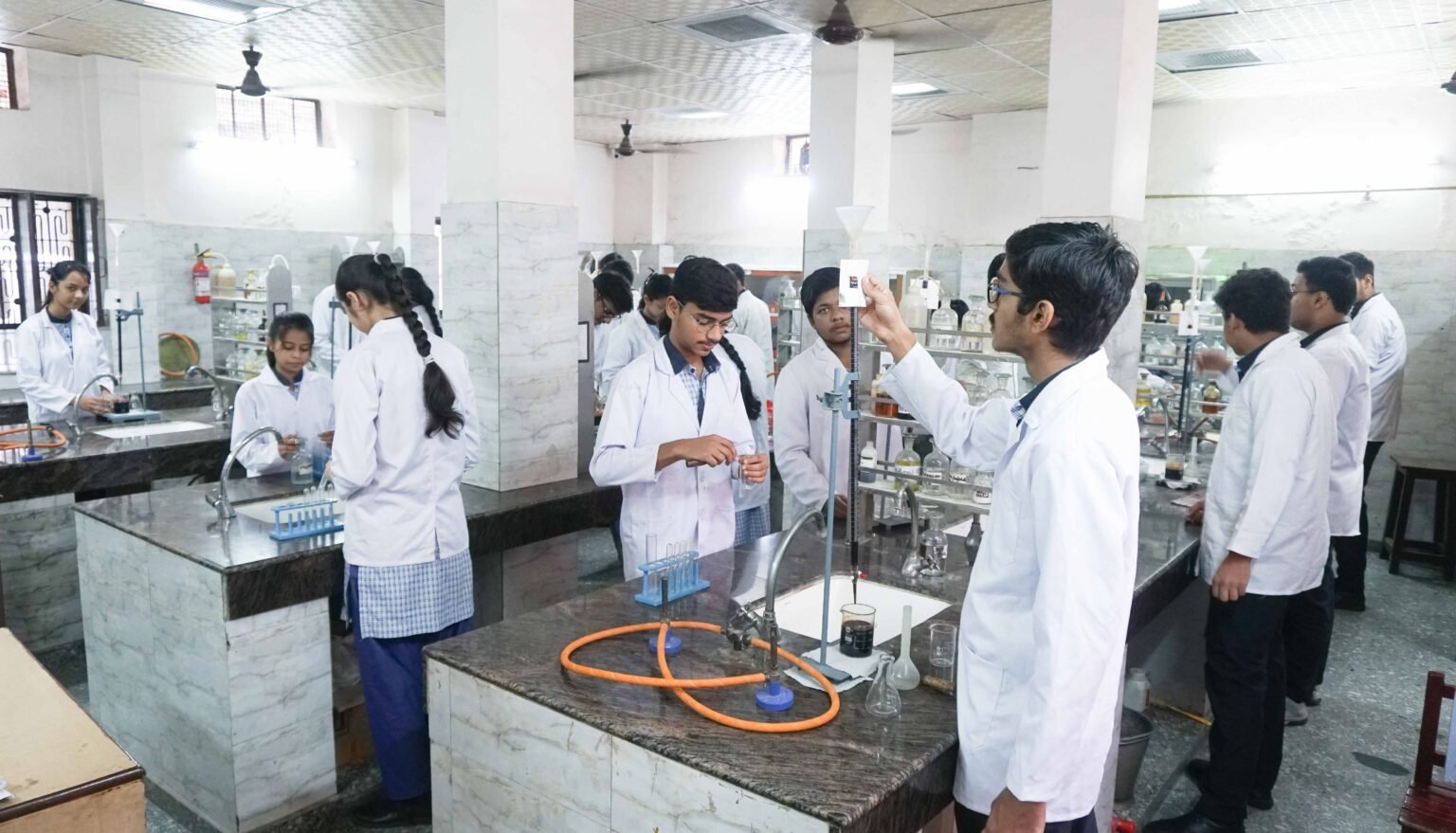
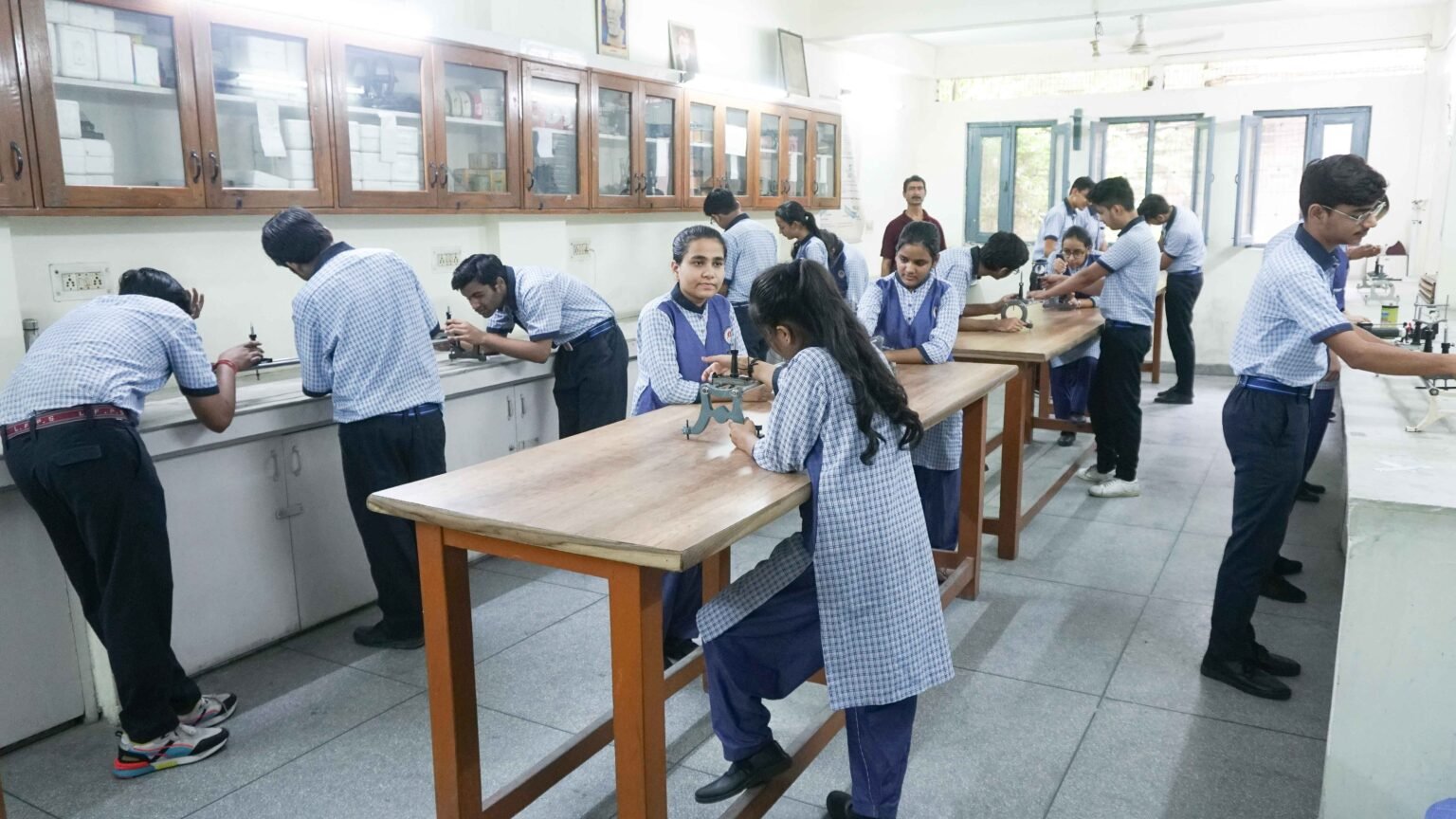
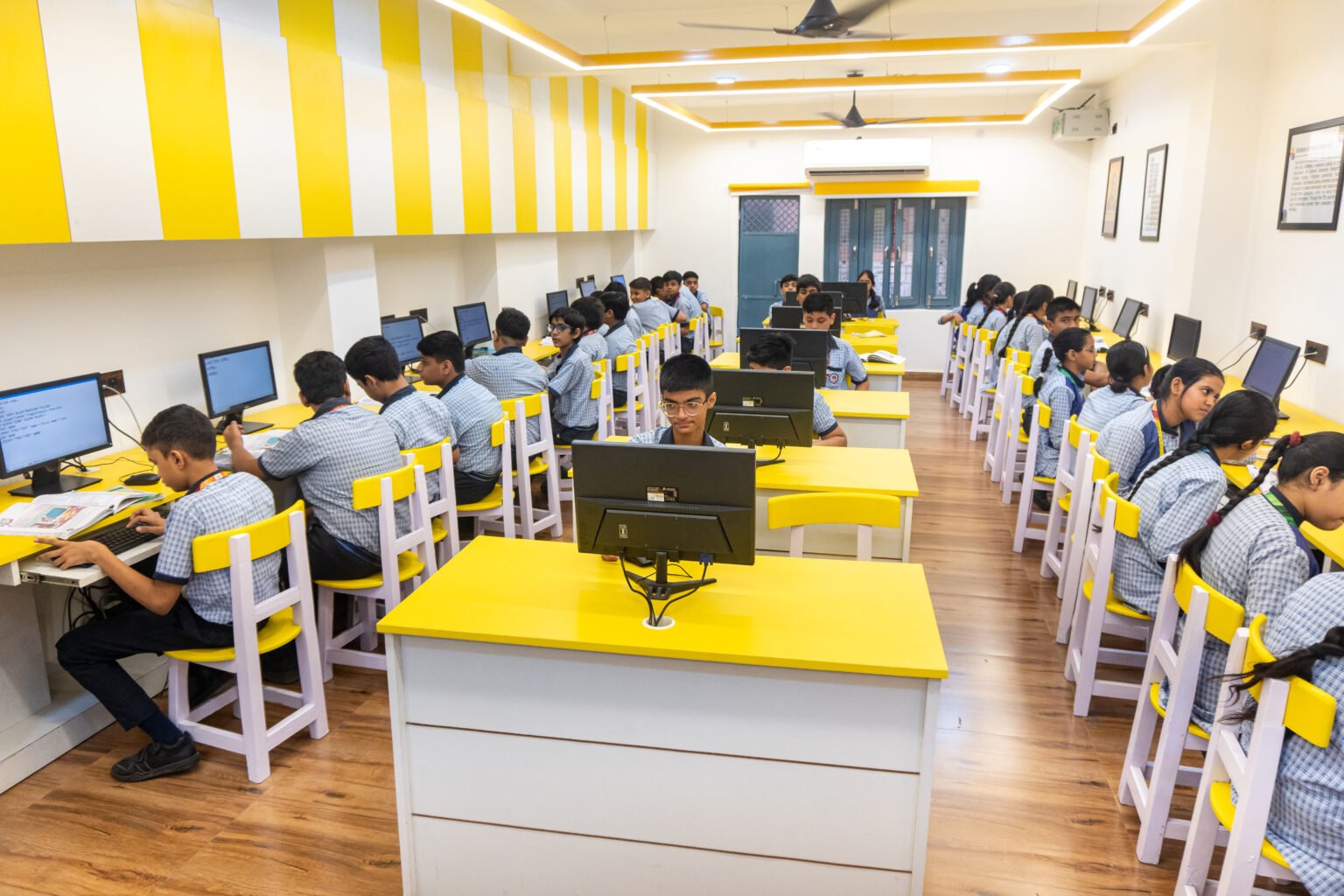
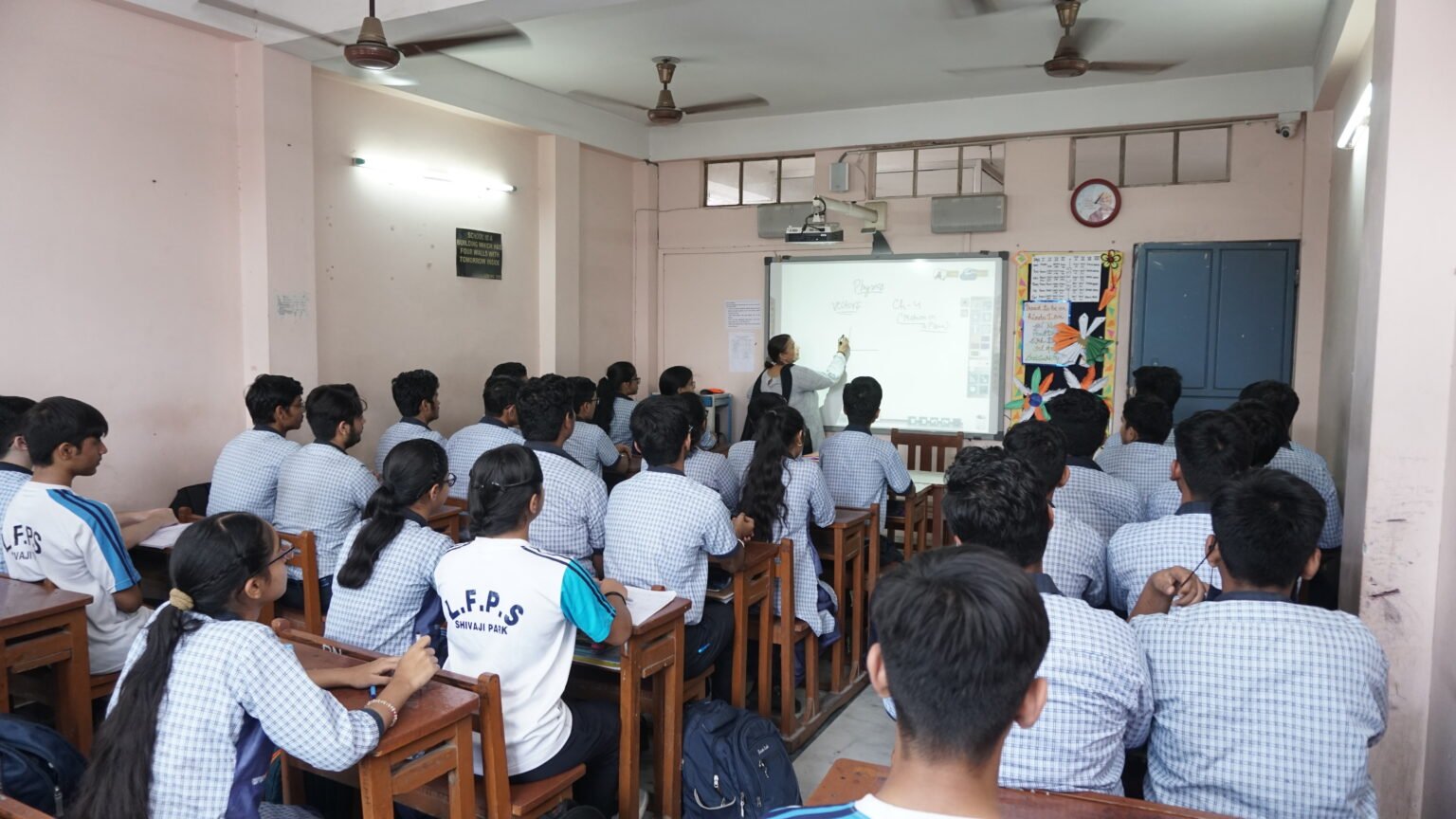
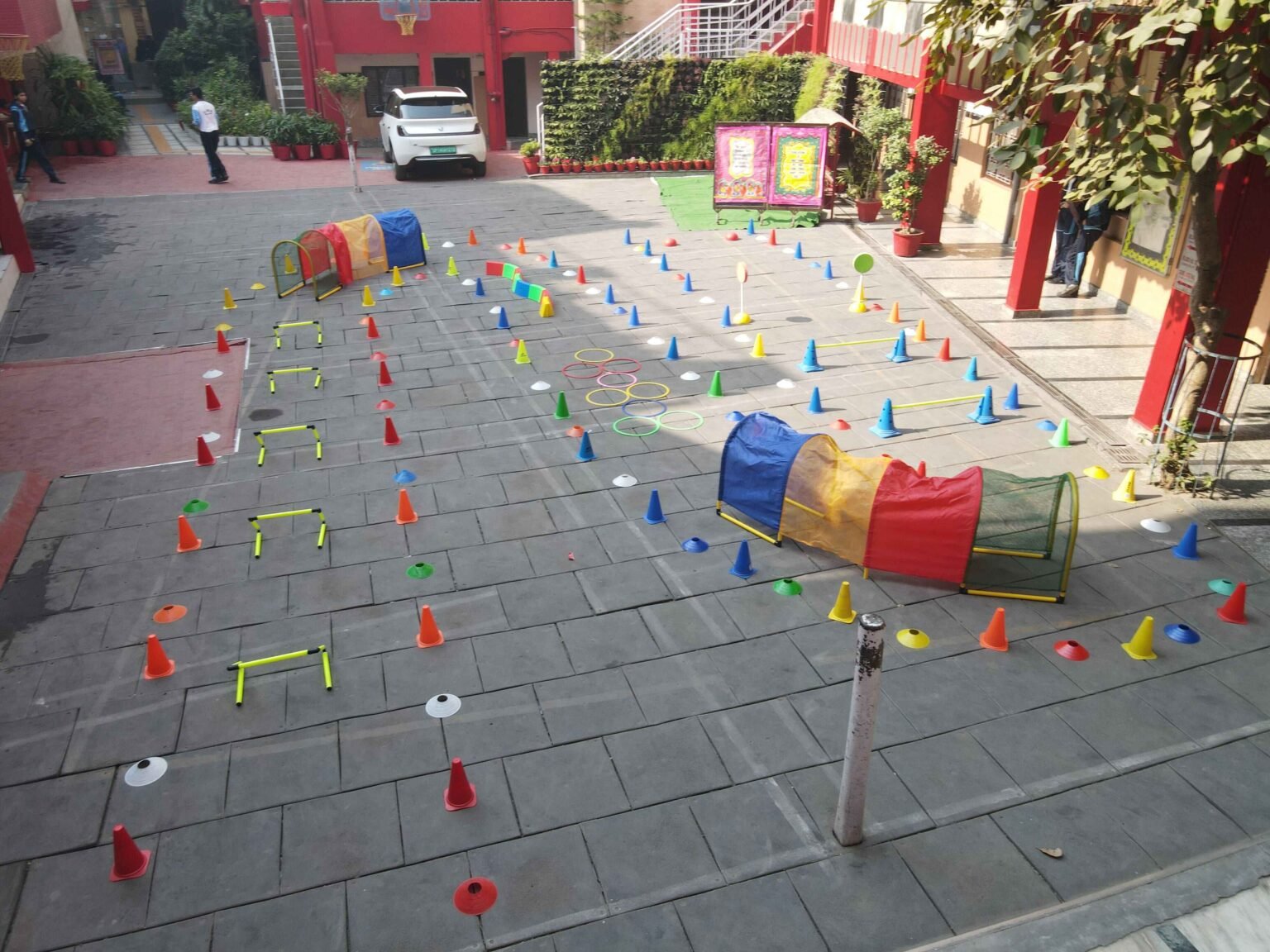
At Little Flowers Public Sr. Sec. School, we provide world-class facilities that support both academic excellence and overall development. Our campus is thoughtfully designed to give students the best environment to learn and grow.







Ren'Py’s save system is a powerful, automated feature that ensures players can resume their progress exactly where they left off. It is built on Python's "pickling" mechanism, which serializes game data into files. How Saving Works in Ren'Py
: This allows players to go back in time to previous checkpoints. It uses the same underlying mechanism as saving to restore previous states. File Locations and Management
For players, the most common question is: "Where did my game go?" Ren'Py stores save data in two primary locations depending on the platform and game settings:
If you are developing a Visual Novel in Ren'Py or simply trying to manage your collection of games, one question inevitably arises:
$ renpy.save("auto-1", "Checkpoint reached")
: The engine creates "checkpoints" at every say and menu statement. When a player saves, Ren'Py records the state at the most recent checkpoint, including all variable values before that statement was executed.